
Michigan Property Tax Foreclosure: The Complete Guide to Avoiding Auction (Including Payment Plans)
Falling behind on property taxes in Michigan is more dangerous than most homeowners realize. The state runs one of the fastest property tax foreclosure timelines in the country. Three years after your first missed tax payment, the county can take your home and sell it at auction.
The good news: Michigan also offers more payment plan options than most states, and a 2020 court ruling means you keep any surplus equity even if the property goes to auction. This guide walks through the full Michigan property tax foreclosure timeline, the five payment plan options most county treasurers offer, and what to do at every stage.
The Michigan Property Tax Foreclosure Timeline
Michigan tax foreclosure works on a strict three-year cycle. Every March 1st, the calendar advances. Missing payments compound penalties. The dates below assume you owe property taxes for tax year 2024, billed in summer and winter 2024, payable starting July 1, 2024.
Year 1: Delinquent (March 1, 2025 – February 28, 2026)
On March 1, 2025, any unpaid 2024 property taxes become delinquent. The local treasurer transfers the unpaid balance to the County Treasurer. From this point forward, the county handles collection, not your city or township.
- A 4% administrative fee is added immediately
- Interest accrues at 1% per month (12% annual)
- You receive a notice from the County Treasurer with the new total owed
- You can still pay the full amount plus penalties at any time
Year 1 is the cheapest year to resolve the debt. You owe what you owed, plus the 4% fee and accumulated interest. If you can pay it off, the foreclosure process never starts.
Year 2: Forfeiture (March 1, 2026)
If the 2024 taxes are still unpaid on March 1, 2026, the property is “forfeited” to the County Treasurer. You still own the home. You can still live in it. But the foreclosure clock is now officially running.
- An additional $235 in fees is added (varies slightly by county)
- Interest jumps from 1% to 1.5% per month (18% annual)
- You receive a Certificate of Forfeiture in the mail
- Title companies will refuse to insure title until the back taxes are paid
- Selling the home becomes difficult but is still possible
The forfeiture year is the inflection point. Penalties have grown. Selling has gotten harder. The county has begun preparing for foreclosure. Owners who do not act now usually lose the home.

Year 3: Foreclosure Judgment (March 31, 2027)
By March 31, 2027, if the taxes are still unpaid, the Circuit Court enters a Judgment of Foreclosure. Title transfers to the County Treasurer. You no longer own the home.
- You have until March 31, 2027 to pay everything (or have a payment plan in place)
- After judgment, the property cannot be redeemed except in narrow circumstances
- You may have until July 1, 2027 to vacate, depending on the county
- The county schedules the property for the public tax foreclosure auction
The Auction (Late Summer / Fall 2027)
Each county runs its tax foreclosure auction in late summer or early fall. Wayne County typically holds its auction in September. Kent County runs in August. Oakland and Macomb counties are on similar schedules. The minimum bid usually equals the back taxes, fees, and interest.
If the property sells for more than the minimum bid, Michigan’s 2020 Rafaeli ruling entitles you to claim the surplus funds. You must file a claim with the County Treasurer within a specific window (varies by county). Surplus funds claims are a separate process and require paperwork.
The 5 Payment Plan Options Michigan Counties Offer
If you cannot pay all the back taxes at once, Michigan law gives counties the authority to offer several types of payment plans. Not every county offers every option, but most offer at least three of these. Here are the five most common.
1. Hardship Extension (One-Year Foreclosure Delay)
Available in: Most Michigan counties. Pushes the foreclosure judgment back by one year if you can demonstrate financial hardship.
- Who qualifies: Owner-occupants with documented financial hardship (job loss, medical bills, divorce, family emergency)
- How to apply: File a Hardship Extension application with the County Treasurer before March 31 of the foreclosure year
- Documents needed: Proof of income, expenses, and hardship circumstances
- Result: Foreclosure pushed back one year. Interest continues to accrue. You still owe the full amount eventually.
2. Distressed Owner Occupant Extension (DOOE)
Available in: Wayne County, Oakland County, and several other Michigan counties with formal hardship programs. This is more generous than the basic Hardship Extension.
- Who qualifies: Owner-occupants whose household income is below 60% of Michigan’s median income, with the home as principal residence
- How to apply: Treasurer’s hardship application plus income documentation
- Result: Reduces interest, extends the foreclosure deadline, and can roll into a multi-year payment plan if approved
3. Five-Year Stipulated Payment Agreement (SPA)
Available in: Most Michigan counties for certain hardship cases. This is the most powerful tool for homeowners who can pay something but not the full amount immediately.
- Who qualifies: Owner-occupants who can afford a structured monthly payment
- How it works: You sign an agreement to pay the back taxes over up to 5 years in monthly installments
- Down payment: Most counties require 10% down to start the plan
- Maintain current taxes: You must also keep current on new taxes during the payment plan, or the agreement defaults
- Result: Foreclosure is paused as long as you keep up with payments
4. Principal Residence Exemption (PRE) Application
Available statewide. Not strictly a payment plan, but applying or renewing the PRE can dramatically reduce the future tax burden, making catching up easier.
- Who qualifies: Anyone whose Michigan home is their principal residence as of June 1
- Savings: 18 mills off your school operating tax — usually $500 to $2,000 per year for a typical home
- How to apply: File Form 2368 with the local assessor
- Combine with: Other payment plans for compounding effect
For more on this, see our complete guide to the Michigan Principal Residence Exemption.
5. State Hardship and Assistance Programs
Beyond county-level payment plans, Michigan and federal programs sometimes offer direct relief:
- Step Forward Michigan (Hardest Hit Fund): Now closed but worth checking for successor programs
- Michigan State Tax Tribunal hardship requests
- Local nonprofits and legal aid: Detroit’s United Community Housing Coalition, Michigan Legal Help, and county-specific tax assistance programs
- Veterans Affairs and senior tax exemptions: If you qualify, these can wipe out a large portion of property tax owed
How to Apply for a Payment Plan: Step by Step
- Contact your County Treasurer’s office immediately. Do not wait. Many counties stop accepting payment plan applications within 30 days of the foreclosure judgment date.
- Request the hardship application packet. Most county treasurers have a specific form for hardship and payment plan requests.
- Gather documents: two months of pay stubs, recent bank statements, proof of household expenses, documentation of any hardship event (medical bills, layoff letter, divorce decree).
- Submit the application before the deadline. For most counties, this means before March 31 of the third year.
- Wait for the response. The County Treasurer or a hardship review committee will evaluate. Decisions usually come within 30 days.
- Keep current on new taxes during the plan. Falling behind on the next year’s taxes voids most payment agreements.
Selling Before Foreclosure as an Option
For some homeowners, the math simply does not work. The back taxes are too high, the income is too low, and the payment plan would still leave the home unaffordable. In those cases, selling before the foreclosure judgment is often the best financial outcome.
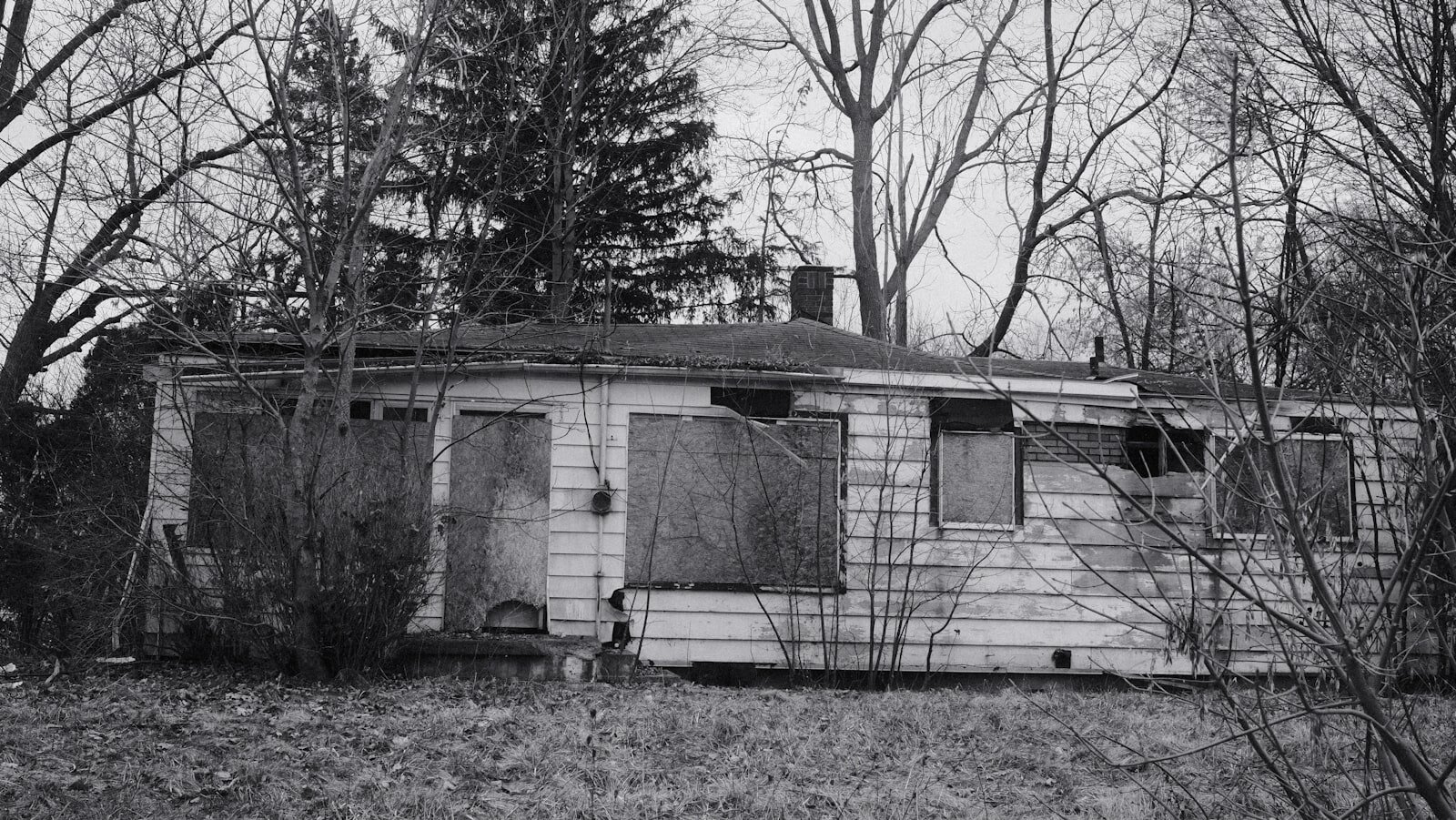
The sale process when back taxes are owed:
- The title company orders an exact tax payoff from the County Treasurer
- At closing, the back taxes are paid in full from the sale proceeds
- The title company collects the remaining proceeds (after the mortgage payoff and closing costs) and pays them to you
- You walk away with what equity remains, instead of losing the home at auction
For homes with significant equity above the back taxes, selling almost always nets the homeowner more than letting the property go to auction. Even after the 2020 Rafaeli ruling guarantees surplus funds claims, the timeline and paperwork to recover surplus funds is slow and uncertain. A direct sale gets you the cash now.
If the foreclosure deadline is weeks away, a traditional 60-90 day listing is too slow. Cash buyers can typically close in 7 to 14 days. Offer Now Michigan buys homes facing tax foreclosure for cash and pays off the back taxes at closing.
The Rafaeli Ruling and Recovering Surplus Funds
Until 2020, Michigan counties kept all proceeds from a tax foreclosure auction, even if the home was worth far more than the back taxes owed. The Michigan Supreme Court’s Rafaeli v. Oakland County decision (commonly called the Rafaeli ruling) ended that practice. Homeowners now have a constitutional right to recover any surplus funds.
Recovering surplus funds requires:
- Notifying the County Treasurer that you intend to claim the surplus, in writing, before the auction
- Filing a formal claim within the statutory window after the auction (typically 90 days)
- Producing documentation of ownership and identity
- Waiting through the county’s review process (often several months)
If you miss the notice deadline before the auction, your right to surplus may be limited. This is a major reason why selling before the auction is often the better path: you receive the equity directly at closing, with no claim process required.
County-Specific Notes
Michigan tax foreclosure follows the same statewide statute, but each county runs the process slightly differently:
- Wayne County (Detroit area): Has the largest hardship program in the state through United Community Housing Coalition. Distressed Owner Occupant Extension (DOOE) is well-established here. Auction typically September.
- Oakland County: Strong online portal for tax payments and payment plans. Auction typically September.
- Macomb County: Active hardship programs. Coordinates with local nonprofits for tax counseling.
- Kent County (Grand Rapids area): County Treasurer office on Monroe Avenue NW handles all payment plans. Auction typically August.
- Genesee County (Flint area): Limited payment plan options compared to larger counties. Hardship cases are reviewed individually.
Frequently Asked Questions
How many years can I be behind on Michigan property taxes before foreclosure? Three years total. The 2024 tax bill issued in summer 2024 would be foreclosed by March 31, 2027.
Will I lose my home if I miss one year of taxes? No. You have at least two more years to catch up. But penalties and interest add up fast.
Can the IRS take my Michigan home for federal tax debt? The IRS can place a federal tax lien but federal liens behave differently than property tax liens. This article covers Michigan property tax foreclosure only.
What happens to my mortgage if I lose the house at tax auction? The mortgage lien is wiped out by the foreclosure judgment. The lender loses its security. They typically pursue you for any deficiency separately.
Can I rent the home back from the new owner after auction? Sometimes, if the buyer is willing. Many auction buyers are investors who plan to renovate and resell, not landlord. Your situation is uncertain after auction.
Behind on Michigan Property Taxes? Get Help Now
If you are behind on Michigan property taxes and the foreclosure clock is running, options exist but the window closes quickly. Whether you need a payment plan referral, want to apply for a hardship extension, or need to sell before the auction, the worst thing you can do is wait. Call Offer Now Michigan at 810-425-5961 to talk through your options. We can give you a fair cash offer within 24 hours and close in as little as 7 days, paying off the back taxes at closing.
For more on Michigan property taxes, see our pillar guide to Michigan property taxes for homeowners, or learn how to dispute a Michigan property tax assessment.
Related Michigan Reading
- Cleaning Out an Inherited Michigan Home
- Sell a Michigan Probate Property Fast
- Inherited a Michigan House You Don’t Want
Questions about your own situation? We buy houses anywhere in Michigan and are glad to talk it through, no pressure.